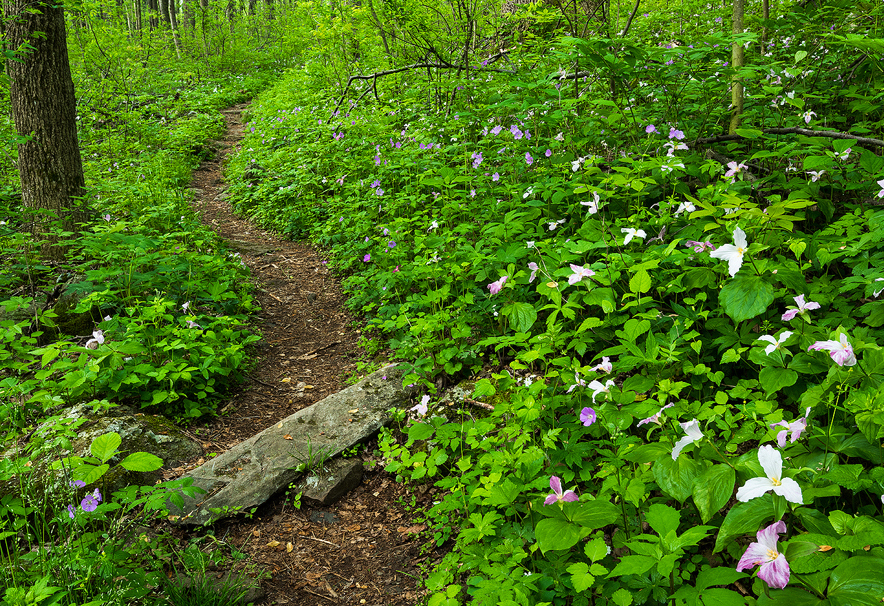
An herbal field guide to the medicine plants and medicinal fungi of these mountains — in alphabetical order, every entry with a color picture, where and how to find it, how it was traditionally used and prepared, and what can be confused with it. The companion guide to edible plants and edible fungi is a separate page.
Type a condition or symptom — cold, cough, inflammation, anxiety, digestion, pain, skin, sleep, memory, menopause — and this guide will show you the plants and fungi in it that were traditionally used for that concern, with a link to each full entry. It runs entirely inside this page, so it works offline.
Honest framing: a match means “people in this region traditionally used this plant for this” — not that it is proven, safe for you, or a substitute for care. Check each entry’s caution section, and ask a clinician about interactions before any use.
Plants first (A–Z), then medicinal fungi and lichens (A–Z) in their own section below. Search by name, Latin name, place, or use. Every entry has a color picture — a real photograph, except American ginseng, where the photo could not be sourced and a labeled color illustration is used instead.
Medicinal roots are the slowest, most vulnerable harvest in Appalachia. Ginseng and goldenseal patches have been dug out across whole counties.
A root harvest usually kills the plant. Prefer leaves, flowers, and bark from pruned branches where tradition allows — and buy cultivated roots when you can.
Kentucky regulates ginseng: season, minimum age (3-prong / 5+ years), replanting seeds, and dealer rules. Goldenseal is CITES-listed and at-risk. Know the current law before you dig anything.
Never take more than a small fraction of a patch, leave the largest seed-bearing plants, and replant berries and seeds where you found them.
Cut rather than rip, carry in mesh, and leave older specimens. For chaga, take only a portion — the conk took years to grow and the birch still needs defending.
These grow beside the medicine plants. If you cannot rule them out, do not pick.
Tall white umbrella flowers near creeks and roadsides, purple-marked smooth stems. Both are deadly poisonous and are confused with yarrow, elderflower, and wild carrot relatives. Never taste-test any wild member of the carrot family.
Many banded shelf fungi resemble turkey tail. True turkey tail is paper-thin and leathery with tiny white pores underneath — if it has gills, teeth, or a smooth underside, it is something else. Key it out pore by pore.
Small brown mushrooms on wood can be deadly (Galerina marginata). They are one reason medicinal-fungi beginners should never generalize from “it grows on a log.” Identify to species, every time.
First-year foxglove leaves resemble mullein and comfrey rosettes and contain heart-active compounds. Harvest mullein only from plants you have positively confirmed — ideally ones you watched flower.